Howdy folks.
The car industry is changing gears, with artificial intelligence (AI) and machine learning (ML) technologies driving a revolution in how vehicles are developed and made safer.
As cars become more like computers on wheels, AI is having a big impact on the software that keeps us safe on the road.
It’s an exciting time, but as with all things AI it also brings new challenges.
AI Takes the Wheel in Vehicle Innovation
AI and ML are racing into automotive software at breakneck speed. From factory floors to the computer systems in our cars, these technologies are changing how vehicles are built and operated. Mark Pitchford, a tech expert at LDRA, says we need to rethink how we ensure cars are safe and meet regulations in light of these new technologies.
AI in cars isn’t just a thing of the future—it’s already here. Mercedes-Benz, for example, is using AI in their vehicles right now. This is part of a bigger trend. The market for AI in cars is expected to grow from $1.4 billion in 2020 to a whopping $10.7 billion by 2027, according to MarketsandMarkets.
That’s a lot of smart cars!
From Assembly Line to Driver’s Seat
The ways AI is being used in the car industry are pretty impressive. In factories, Audi has teamed up with Intel and Nebbiolo to use AI for checking the quality of welds. At their factory in Neckarsulm, Germany, they’re using ML to check all 5,000 welds on each of the 1,000 cars they make every day. That’s a big step up from their old method of manually checking just a few welds.
In the cars themselves, AI is showing up in lots of ways:
- Advanced driver-assistance systems (ADAS) and self-driving features
- Making electric cars perform better and manage their batteries more efficiently
- Connecting cars to the internet for things like predicting when maintenance is needed and personalizing services
- Smart interfaces that understand voice commands and hand gestures
Volkswagen, for instance, is using AI to predict when parts need maintenance. This has cut downtime by half and made their factories 20% more efficient. Pretty cool.
Steering Through AI Integration Hurdles
While AI in cars is exciting, it’s not all smooth driving.
Putting AI and ML into the critical systems that keep us safe on the road comes with some speed bumps:
- Making sure AI systems are safe and reliable in life-or-death situations
- Dealing with new cybersecurity risks that come with AI systems
- Managing the increased complexity of these smart systems
To tackle these challenges, the industry is gearing up. They’re creating new safety standards to guide teams on how to use AI technologies safely. Two upcoming standards, ISO/CD PAS 8800 and ISO/CD TS 5083, aim to define safety properties, risk factors, and ways to validate AI in self-driving systems.
AI vs. Traditional Software
Using AI and ML in car software has some big advantages over old-school methods. It can make cars safer by spotting and responding to dangers in real-time, make them run more efficiently, and enable cool features like self-driving.
But it’s not all sunshine and rainbows. AI systems are more complex and can introduce new cybersecurity risks.
As the industry navigates this transition, finding the right balance between innovation and safety is key.
Shifting Gears to The Future
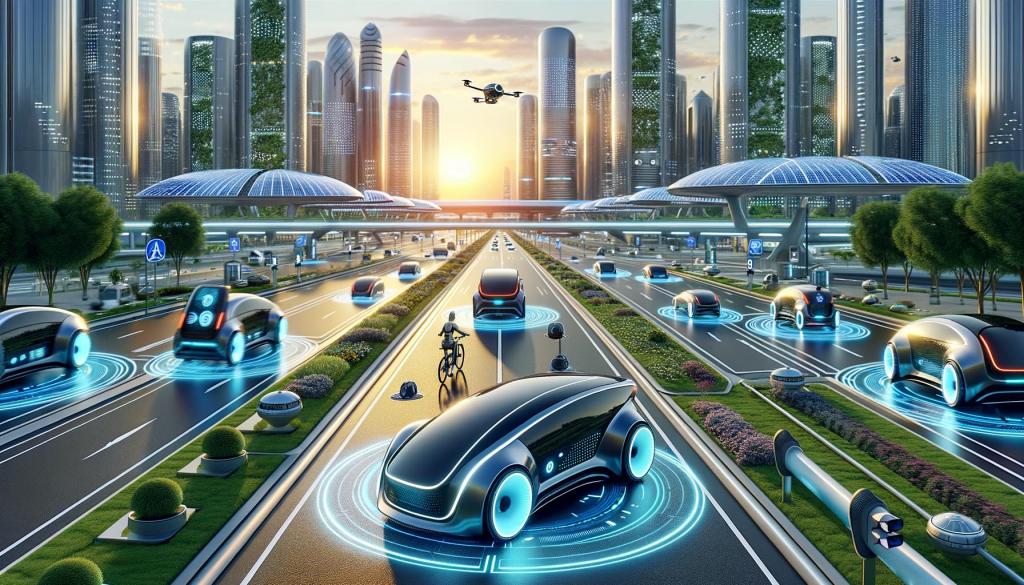
Looking down the road, the possibilities for AI in cars are vast and exciting. We’re likely to see more self-driving cars, more electric vehicles, and the development of smart cities where cars, roads, and services all work together seamlessly.
The impact could be huge. According to PwC, widespread use of AI and ML in the car industry could add up to $14.6 trillion to the global economy by 2030.
That’s trillion with a ‘T’!
The road ahead for AI in cars is full of promise and potential pitfalls. And I can’t help but wonder: how will these smart cars change our daily lives? Will they make our commutes safer and more enjoyable, or will we miss the simple pleasure of driving ourselves?
I for one am going to stick to my classic cars free of computers and fancy software. If I wanted a car that drives me somewhere, I’d get an Uber.
Sources:
How AI impacts the qualification of safety-critical automotive software, Nick Flaherty:
Frank Bixler, founder of the AI Daily Digest and Web Copy Services, demystifies AI and automation for businesses. With a knack for translating tech-speak, he’s on a mission to make workflow optimization accessible. Whether crafting insights or streamlining processes, Frank’s all about tech that works for you.
Reach out to him at frankbix.wcs@gmail.com or https://www.linkedin.com/in/frankbixler/


 Ai Daily Digest
Leave a comment