Howdy folks,
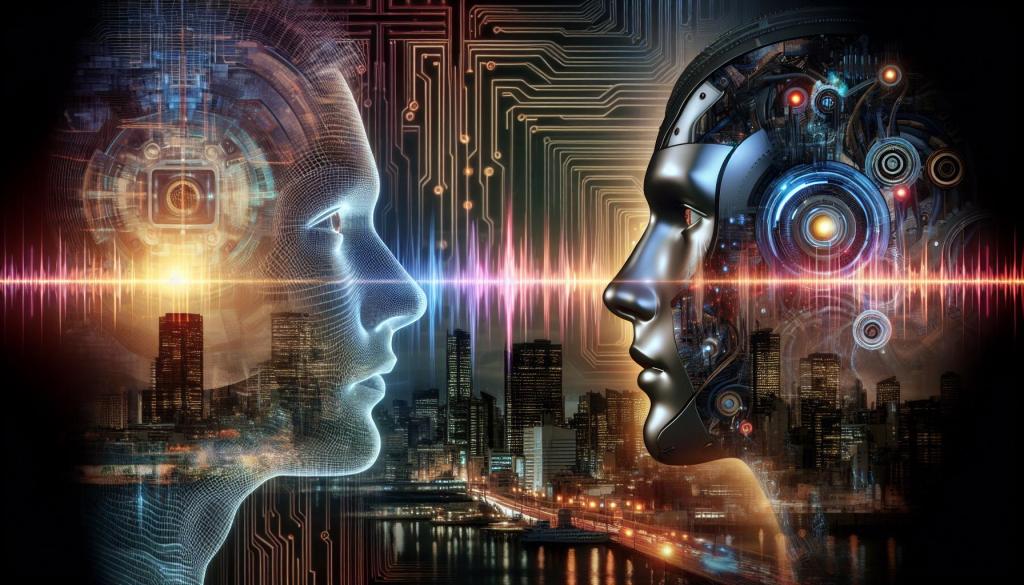
Microsoft’s latest AI voice cloning technology, VALL-E 2, has achieved a level of realism that’s both impressive and, frankly, a bit unsettling. This cutting-edge system can generate human-like voices from just a few seconds of audio, marking a significant milestone in text-to-speech synthesis. However, the ethical implications of such powerful technology have led Microsoft to keep it under wraps for now.
Three Seconds to Clone Your Voice
Microsoft’s research team has unveiled VALL-E 2, an AI system capable of producing “human-level performance” voices with astonishing accuracy. What sets this technology apart is its ability to create convincing voice clones from a mere three-second audio sample.
“VALL-E 2 consistently synthesizes high-quality speech, even for sentences that are traditionally challenging due to their complexity or repetitive phrases,” the researchers noted. This breakthrough could potentially revolutionize various industries, from entertainment to assistive technologies for those who have lost the ability to speak.
The system’s prowess comes from its “Repetition Aware Sampling” method and adaptive switching between sampling techniques. These strategies tackle common issues in traditional generative voice models, resulting in more consistent and natural-sounding output.
In a series of tests, VALL-E 2 outperformed human benchmarks in three critical areas: robustness, naturalness, and similarity to the source voice. While a three-second sample is enough to produce impressive results, the research team found that “using 10-second speech samples resulted in even better quality.”
Ethical Concerns Mute VALL-E 2’s Debut
Despite its groundbreaking capabilities, Microsoft has decided not to release VALL-E 2 to the public or incorporate it into any products. The company’s ethics statement highlights the potential risks associated with such powerful voice cloning technology:
- Voice imitation without consent
- Use of AI-generated voices in scams and other criminal activities
- Challenges in detecting AI-generated content
“Currently, we have no plans to incorporate VALL-E 2 into a product or expand access to the public,” Microsoft stated, emphasizing the need for responsible AI development.
The research team also stressed the importance of developing standard methods to digitally mark AI-generated content. They suggested that future iterations of the technology should “include a protocol to ensure that the speaker approves the use of their voice and a synthesized speech detection model.”
Tech Giants Tread Carefully with AI Voices
Microsoft isn’t alone in its cautious approach to powerful voice cloning technology. Other tech giants have developed similar systems but have chosen not to release them due to ethical concerns:
- Meta’s Voicebox: “There are many exciting use cases for generative speech models, but because of the potential risks of misuse, we are not making the Voicebox model or code publicly available at this time,” a Meta AI spokesperson told Decrypt.
- OpenAI’s Voice Engine: “In line with our approach to AI safety and our voluntary commitments, we are choosing to preview but not widely release this technology at this time,” OpenAI explained in an official blog post.
This trend reflects a growing awareness in the AI community about the potential risks associated with advanced generative AI technologies. As these systems become more sophisticated, the line between real and AI-generated content continues to blur, raising concerns about misinformation, fraud, and privacy violations.
Balancing Innovation and Ethics in AI
The development of VALL-E 2 and similar technologies highlights the rapid pace of innovation in AI-driven speech synthesis. However, it also underscores the need for robust ethical guidelines and safeguards to prevent misuse.
As regulators begin to scrutinize the impact of generative AI on our daily lives, the tech industry faces the challenge of balancing innovation with responsibility. The decisions made by Microsoft, Meta, and OpenAI to limit access to their voice cloning technologies may set a precedent for how future AI advancements are handled.
So while VALL-E 2 represents a significant leap forward in voice cloning technology, its current inaccessibility serves as a reminder of the complex ethical landscape surrounding AI development. As the field continues to evolve, finding ways to harness the potential of these powerful tools while mitigating their risks will be crucial for the responsible advancement of AI technology.
You might be wondering: how long will it be before we see (or rather, hear) this technology in action? It’s hard to say, but one thing’s for sure – the AI voice revolution is coming, whether we’re ready or not.
Sources:
Microsoft’s AI Voice Cloning Tech Is So Good, You Can’t Use It:
https://decrypt.co/238419/microsoft-ai-voice-clone-human-parity


 Ai Daily Digest
Leave a comment