Howdy folks,
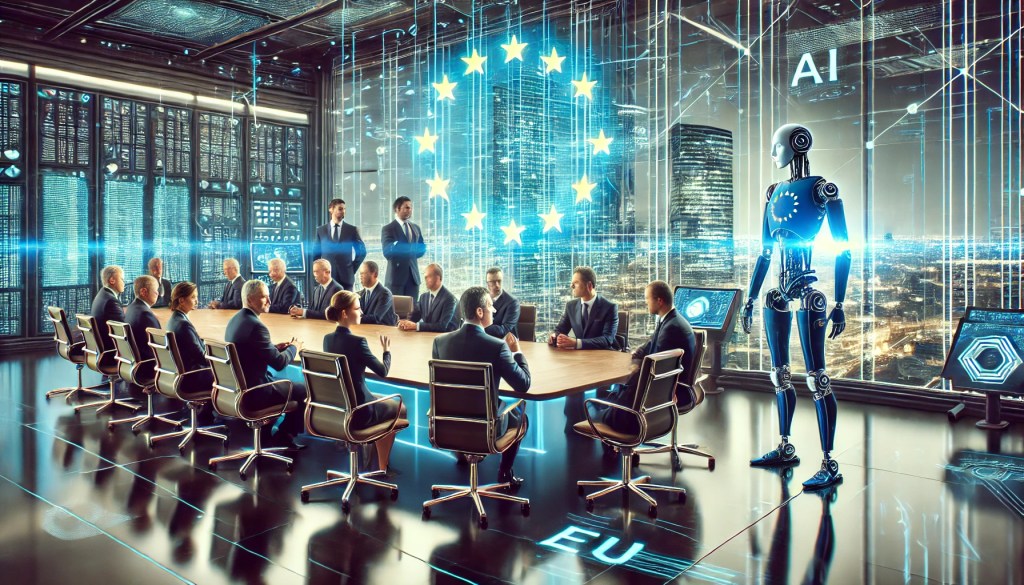
Whether we like it or not, AI is here to stay, and its influence is beginning to be felt in the halls of power in Brussels.
And this has led to the European Union taking a hard look at some major AI partnerships, and the ripple effects of this could reach far beyond Silicon Valley.
Recently the EU has launched major investigations into the AI deals between tech giants Microsoft and OpenAI, as well as Google and Samsung. Their concern? These partnerships might concentrate too much AI power in too few hands, potentially stifling competition and innovation – especially in the public sector. This move signals a growing recognition of AI’s transformative potential in government and education, and the need to ensure it serves the greater good.
AI’s role in government
The EU’s probe isn’t just about big tech. It’s about ensuring AI benefits everyone, including the average citizen.
It’s true that AI could revolutionize how we interact with government services, making them faster, smarter, and more personalized. But if only a handful of companies control the tech, we might miss out on innovative solutions. Not to mention the inherent risks of concentrating so much power in the hands of a few super corporations (not that that’s ever happened before…)
As Margrethe Vestager, EU Competition Commissioner, puts it: “The EU’s investigation into these AI deals is a crucial step towards ensuring that the development of AI serves the public interest, rather than just the interests of a few large companies.”
Some potential applications of AI in public administration include:
- Streamlining bureaucratic processes
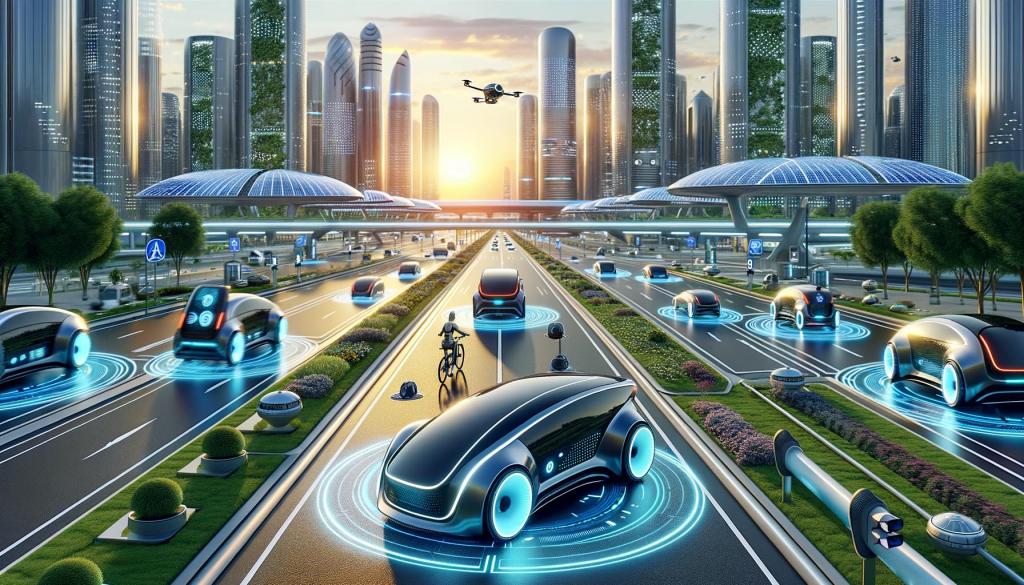
- Enhancing public transportation systems
- Improving urban planning and resource allocation
However, if smaller players and public sector organizations can’t access cutting-edge AI tech, we might see a “digital divide” in government services. This term refers to the gap between those who have access to advanced technology and those who don’t, potentially leading to unequal access to improved public services.
AI in education
Education is another sector where AI could be a game-changer.
Imagine personalized learning plans for every student, or AI-powered tutors available 24/7.
So in the near future you may have a tireless tutor available for your child to use any time, anywhere..
But naturally, the EU’s concerns extend to this realm as well. If a few tech giants dominate AI in education, we might miss out on diverse, innovative approaches tailored to different learning styles and cultural contexts.
And as well as this, we’ll be putting the education of our children in the hands of faceless organizations whose intentions may not be as benevolent as they claim.
So with that in mind this investigation aims to ensure that schools have access to a variety of AI tools and platforms that protect student privacy and promotes ethical use of student data. Their hope is to ensure that AI enhances, rather than replaces, human teachers.
Innovation vs regulation
The EU’s probe has sparked some controversy. Critics argue it could stifle innovation, while supporters see it as a necessary step to protect public interests. It’s a delicate balance between ensuring the steady development of new technologies, and ensuring they don’t overwhelm our societal infrastructure, which is becoming a very real possibility.
Consider these stats:
- The global AI market is projected to reach $190 billion by 2025, up from $22 billion in 2020
- The EU has already received over 100 complaints about the Microsoft-OpenAI deal
These numbers underscore the massive potential – and potential risks – of AI in public sectors.
Building trustworthy AI
The EU isn’t just playing watchdog; they’re also working on a framework for trustworthy AI.
This initiative aims to prioritize transparency, accountability, and human oversight in AI systems.
For public administration and education, this could mean clear explanations of how AI makes decisions affecting citizens, regular audits of AI systems used in schools or government offices, and mechanisms for human intervention when AI systems make mistakes.
The future of public sector AI
As the EU’s investigation unfolds, it’s likely to set precedents for AI regulation globally. For those in public administration and education, this means staying informed and engaged in the conversation.
The future of AI in these sectors is bright, but it requires careful navigation. By ensuring fair competition and access to AI technologies, we can work towards a future where AI truly serves the public good – making government services more efficient and education more effective for all.
So, whether you’re a policy wonk or an edu-tech enthusiast, keep your eyes on this space. The decisions made today could shape the classrooms and city halls of tomorrow.
And always remember, we’re at the apex of a stunning technological revolution. The decisions we make today are going to have an enormous impact upon our species future.
Sources
EU probes Microsoft-OpenAI and Google-Samsung AI deals:


 Ai Daily Digest
Leave a comment